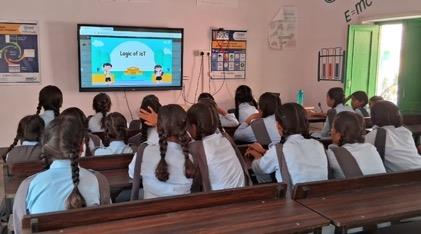
How the programme supports students
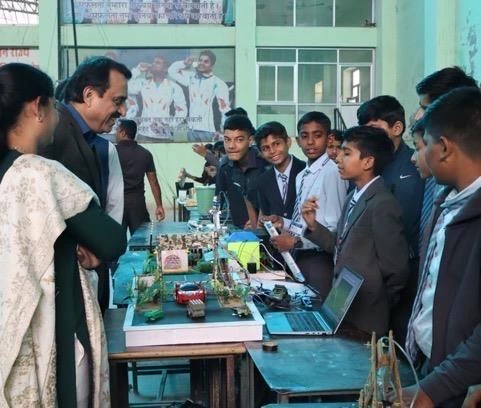
School infrastructure includes Smart Classrooms with TVs and state-board-aligned content in the local language, computer labs with desktop PCs or laptops, rainwater harvesting systems, handwashing counters, solar electricity systems and Pink Toilets for girls.
Programme Overview
Sansadhan brings together interventions aimed at strengthening the school environment and supporting student well-being through health, hygiene, sanitation and essential school infrastructure.
Activities include:
- Health Awareness Camps
- Menstrual Hygiene Management
- Sanitary Napkin and Awareness Material Distribution
- Pink Toilets
- Swachh Bharat–Swachh Vidyalaya Campaign
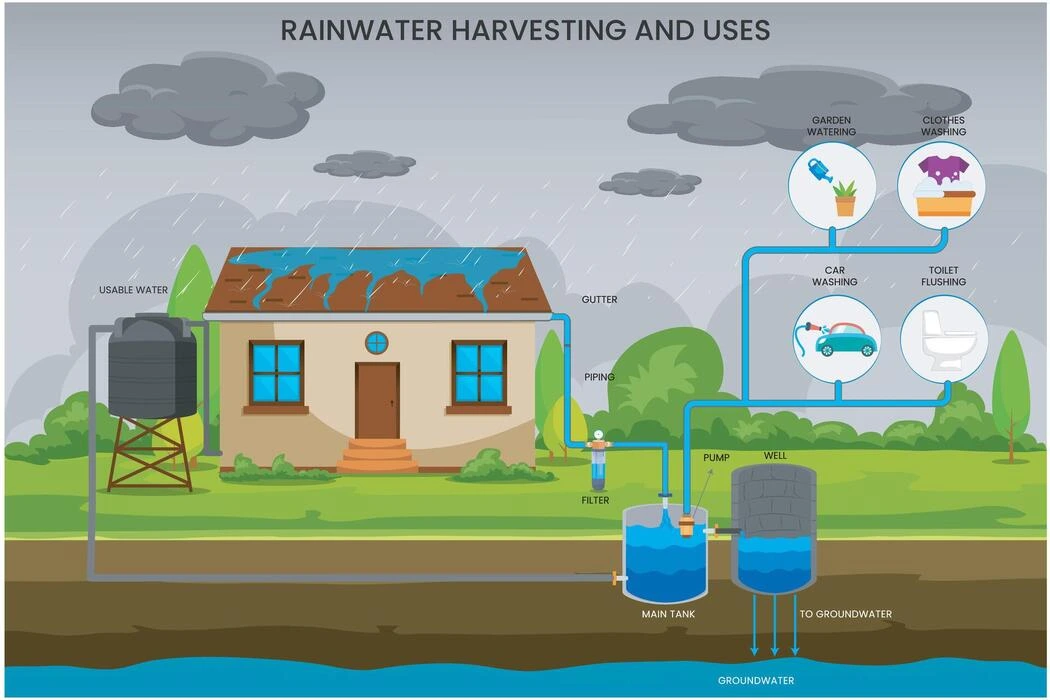
- Rainwater Harvesting Systems
- Handwashing Stations
- Solar Power Systems
Health, Nutrition & Hygiene
In collaboration with Dedicated Freight Corridor Corporation of India Ltd. (DFCCIL), IN-DEED implemented activities focused on improving health, nutrition and quality education in government schools located along selected DFCCIL stations in Pali district, Rajasthan.
The programme directly benefited 30 schools and 3,000+ students and adolescents, with a particular focus on girls.
Health Awareness Camps
Activities included:
- Nutrition and hygiene awareness
- General health check-ups
- Height, weight and blood pressure checks
- Anaemia and malnutrition screening
- Eye and dental check-ups
- Menstrual hygiene sessions for adolescent girls
- Basic first-aid demonstrations
Reach: 10 schools | 2,317 students
Menstrual Hygiene Management
Activities included menstrual hygiene awareness and the distribution of sanitary napkins and Menstrual Hygiene Management materials.
- Sanitary napkin distribution: 16 schools | 2,844 students
- MHM booklet distribution: 16 schools | 3,288 students
- Height & weight charts with weighing machines: 30 schools
- Vaccine & sugar intake charts: 30 schools
Pink Toilets
As part of IN-DEED’s efforts to promote hygiene, dignity and school retention among adolescent girls, Pink Toilets were constructed in 5 government schools.
The initiative addressed a critical infrastructure gap by providing girls with clean, safe and functional sanitation facilities, creating a more comfortable and supportive school environment.
Access to adequate sanitation plays an important role in improving girls’ attendance, well-being and continued participation in education, particularly during adolescence.
Swachh Bharat–Swachh Vidyalaya Campaign
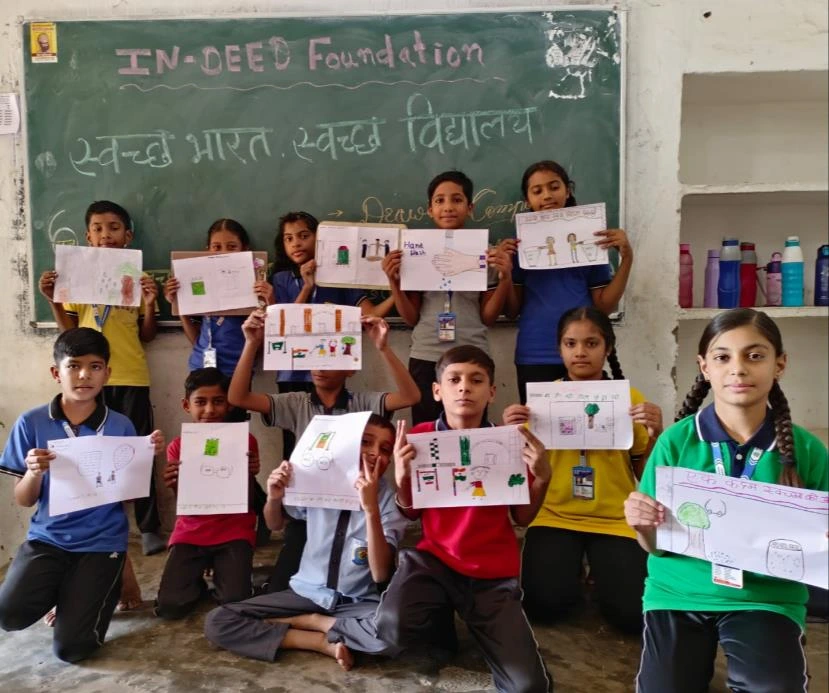
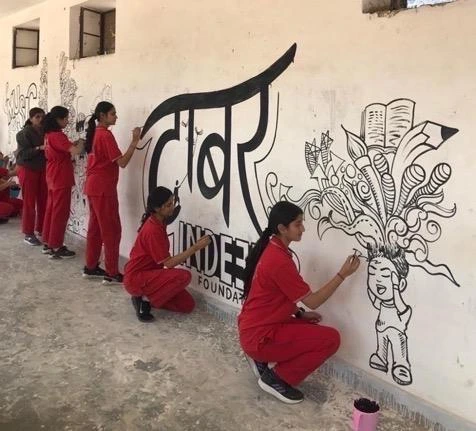
IN-DEED supported the Swachh Bharat–Swachh Vidyalaya Abhiyan in government schools across Rajasthan, promoting hygiene, cleanliness and environmental awareness among students.
600+ students from 10+ schools participated.
The programme seeks to:
- Promote personal hygiene and healthy cleanliness practices in students’ daily lives.
- Build awareness of a healthy environment and the importance of protecting local ecosystems.
- Encourage responsible behaviour and contribute to the broader vision of a cleaner and healthier India.
The initiative contributes to:
- SDG 3: Good Health and Well-being
- SDG 6: Clean Water and Sanitation
- SDG 12: Responsible Consumption and Production
Sustainable School Infrastructure
Under IN-DEED Foundation’s Aspirational Block Initiative, selected government schools across the identified districts were supported with essential infrastructure to strengthen student well-being, sustainability and uninterrupted learning.
To address challenges such as irregular water and electricity supply:
- 5 Rainwater Harvesting (RWH) systems with handwashing stations were installed.
- 2 Solar Power Systems were being installed.
- The interventions directly benefit 3,000+ students.
These interventions aim to improve access to essential resources and minimise disruptions to classroom learning, particularly during the summer months when water and electricity shortages can significantly affect students and school operations.